
Table of Contents
ToggleBeyond Google: Why Your Small Business Needs a Search Everywhere Strategy
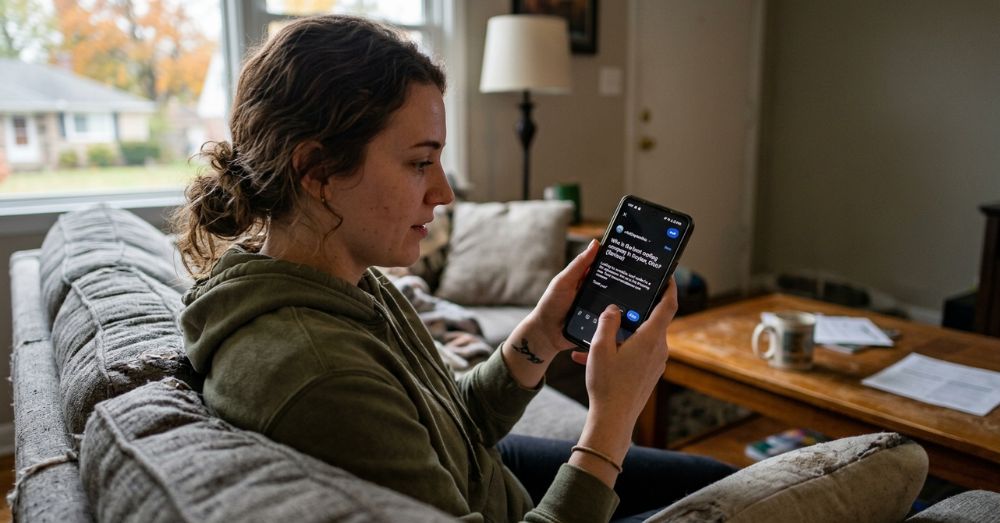
The way people search for information has changed dramatically. A few years ago, almost everyone went straight to a traditional search engine. Today, buyers often skip the search engine and open their favorite social apps instead. They want to see what a product looks like in real life. They want to hear real people review local businesses and services.
This shift means standard website optimization is no longer enough to get your business found online. You need a Search Everywhere strategy that helps you reach potential customers wherever they spend their time.
The End of the Single Search Engine
Buyers want fast and authentic answers. If someone wants to find a great local bakery, they do not just read text reviews online. They open TikTok or Instagram to watch videos of the pastries. They look at the store aesthetic. They check out the crowd. They want to know if the experience matches the hype before they ever visit.
That same behavior applies to almost every industry. People searching for a contractor want to see completed projects. Someone looking for a new restaurant wants to watch videos of the food being served. A customer searching for a jewelry store wants to see close-up product videos and real people wearing the pieces. Buyers trust authentic, visual content because it feels more genuine than a polished advertisement or a page full of reviews.
This shift is changing the way SEO for small business works. Ranking in Google is still valuable, but it is no longer the only way customers discover local companies. Many people now search directly within TikTok, Instagram, YouTube, Facebook, and even AI-powered search tools to find products, services, and recommendations.
Text alone does not build the same level of trust as a quick video tour or behind-the-scenes clip. Social platforms allow potential customers to experience your business before they ever visit your website. They can see your products, meet your team, and get a feel for your brand in just a few seconds.
A successful SEO for small business strategy should extend beyond your website. Your ideal customers are already searching inside social platforms, watching short-form videos, and relying on recommendations from creators and other consumers. If your business only focuses on driving website traffic through traditional search engines, you are missing a growing audience of buyers who are making purchasing decisions long before they click on a Google result.
By creating helpful content that appears wherever people search, your business can build trust, reach more potential customers, and stay visible throughout the entire buying journey.
Turning Social Profiles into Search Engines
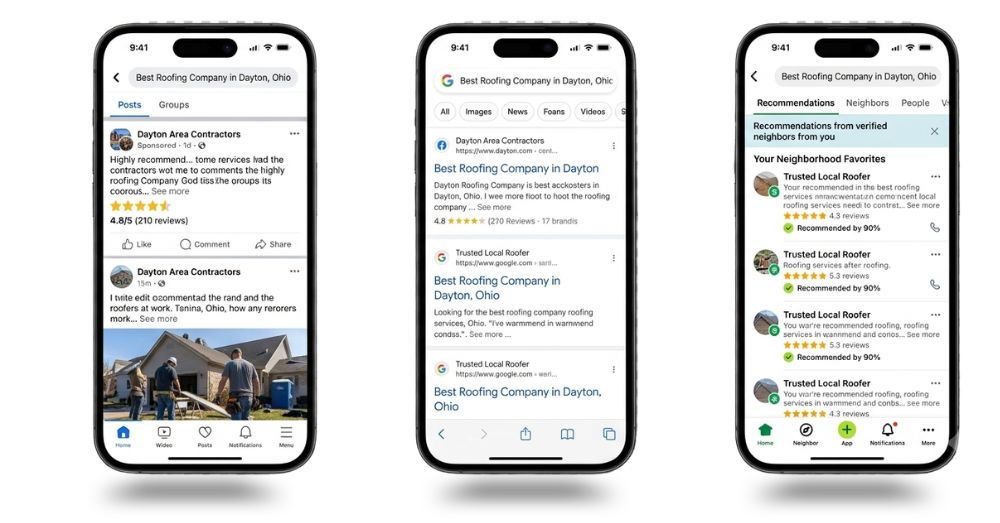
You need to treat your social media accounts like mini websites. Every word you type helps the app understand what you sell. Start with your profile description. Write out exactly what you do and where you are located. When you post a video, include clear search terms in your captions. Place text directly on the screen while the video plays. The search bar inside the app reads that on-screen text to decide who should see your content. Answer common customer questions in short clips. This makes your profile a helpful resource for anyone searching for your specific service.
Building Trust with Video Content
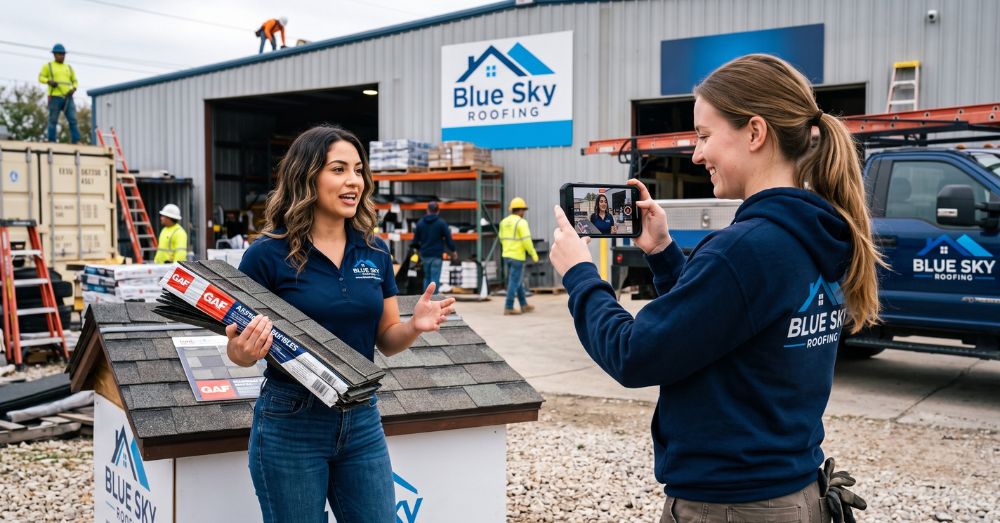
YouTube remains the second largest place people go to search for answers. It is the perfect platform for educational content because people visit with the intention of learning. Whether they want to fix a leaking faucet, compare products, decorate a cake, or understand a complicated service, YouTube gives businesses the opportunity to provide helpful, in-depth answers.
Create videos that solve the exact problems your customers face every day. A plumber might explain the first steps to stopping a leaking pipe before professional help arrives. A bakery could demonstrate an easy frosting technique or share tips for keeping homemade bread fresh. A roofing company might explain the warning signs that indicate it’s time for a roof replacement. These videos position your business as a trusted expert instead of just another company trying to make a sale.
Long-form videos also have another advantage. They continue attracting viewers for months or even years after they’re published. A helpful video can appear in YouTube search results, Google Search, and even AI-powered search experiences, creating a steady stream of potential customers without additional advertising costs.
At the same time, don’t overlook the power of short-form video. Platforms like TikTok, Instagram Reels, Facebook Reels, and YouTube Shorts have changed how people discover local businesses. Short videos often receive significantly more organic reach than static images because social platforms prioritize engaging video content. A quick 30-second behind-the-scenes clip, customer testimonial, before-and-after transformation, or helpful tip can introduce your business to thousands of potential customers who weren’t actively searching for you.
The best strategy combines both formats. Use short-form videos to capture attention and build awareness. Then direct viewers to your longer YouTube videos or website, where they can learn more and build confidence in your expertise. Together, long-form and short-form video create one of the most effective ways to earn trust, increase visibility, and turn viewers into paying customers.
Finding Real Conversations
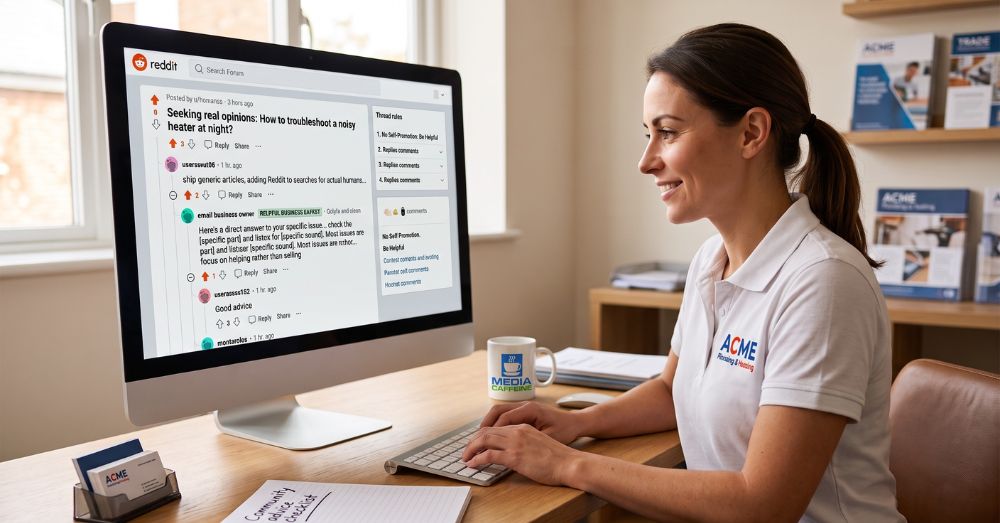
Consumers are actively looking for honest opinions from actual humans. Many people now add the word Reddit to their online searches. They do this to skip generic articles and read real community discussions. Small businesses can join these forums to answer questions and provide helpful advice. You must focus on helping rather than selling. Read the rules of each community before posting. Offer clear and direct answers to specific questions. People respect businesses that show up just to be helpful. This builds long-term goodwill and drives deeply interested visitors to your brand.
Three Steps to Take Today
You can start updating your strategy right now with a few simple changes. Check out the graphic below to see 3 recommendations from our search engine optimization and social media management teams.
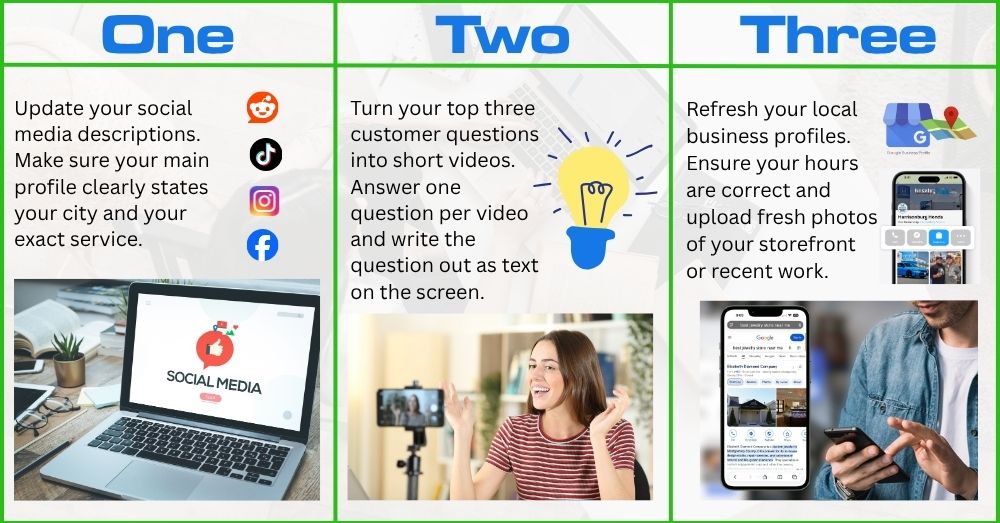
Let Media Caffeine Guide Your Strategy
Getting found online means showing up where your ideal buyers are already searching. Shoppers are typing specific questions into social apps every single day. You need to be the business that provides the exact answers they want. Keeping up with changing social trends takes time away from running your company. That is where Media Caffeine steps in to help. We build practical content plans designed to reach buyers across all of these daily platforms. Our team works with you to understand your specific goals and turn them into an online presence that truly connects with local customers. You do not have to figure out video marketing or search optimization on your own. Fill out the form below to talk with us about getting your brand in front of the right audience.
Frequently Asked Questions
What is SEO for small business?
SEO for small business is the process of improving your website so it ranks higher in search results, attracts more qualified visitors, and generates more leads without relying solely on paid ads.
Why is SEO important for small businesses?
SEO helps small businesses increase online visibility, build trust, and reach customers who are actively searching for their products or services.
How long does SEO take to work?
Most businesses see noticeable SEO improvements within 3 to 6 months, although results depend on competition, your website, and the consistency of your efforts.
What are the best SEO strategies for small businesses?
The best SEO strategies include creating helpful content, targeting relevant keywords, optimizing your website, improving page speed, and maintaining an accurate Google Business Profile.
Is local SEO different from regular SEO?
Yes. Local SEO focuses on helping businesses appear in location-based searches and Google Maps, making it essential for companies that serve specific cities or regions.
Can I do SEO myself?
Yes. Many small business owners can handle basic SEO, but partnering with an experienced agency like Media Caffeine can save time and often produce better long-term results.
Is SEO still worth it with AI search?
Absolutely. High-quality, helpful content is still the foundation of both traditional search rankings and AI-generated search results.
How often should I update my website for SEO?
You should regularly publish new content and update existing pages to keep information accurate, relevant, and competitive in search results.
What’s the difference between SEO and Google Ads?
SEO generates organic traffic over time, while Google Ads provide immediate visibility through paid advertising. Many businesses use both together for the best results.
How do I know if my SEO is working?
Track keyword rankings, organic website traffic, lead volume, and conversions to measure the success of your SEO strategy