Read on to dive deep into the meanings and emotions behind colors through three insightful infographics on psychology. These psychology infographics help showcase just how color impacts your brand image and marketing goals.
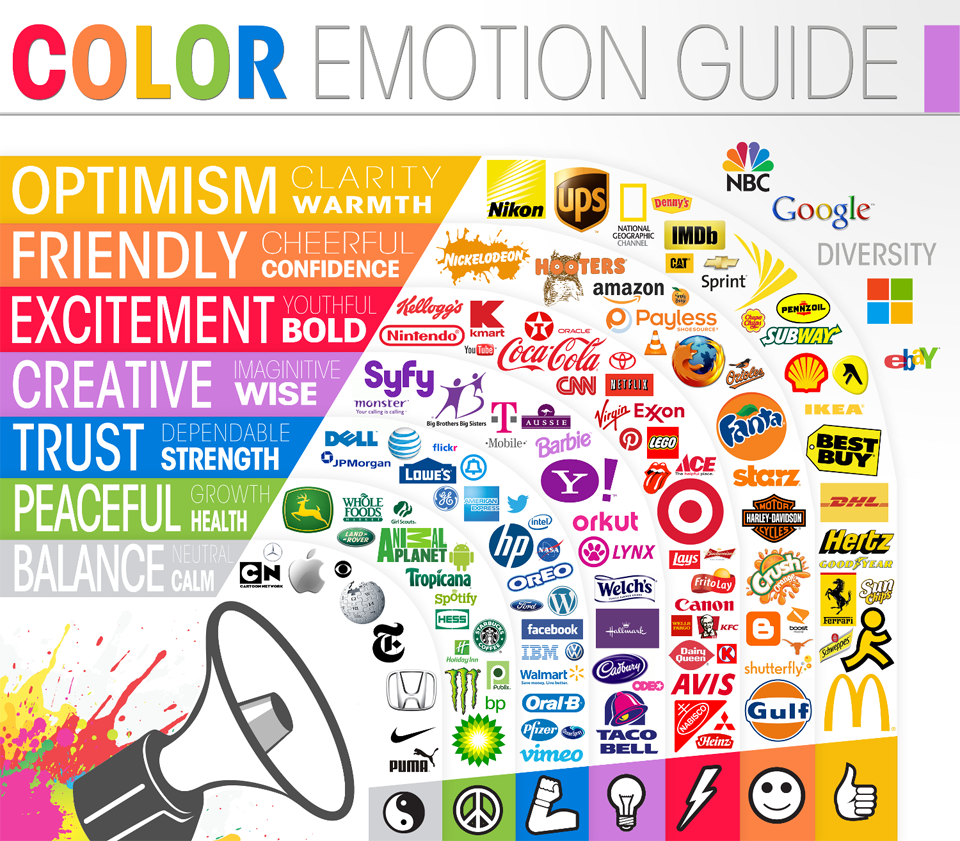
A company’s logo is the face of its brand. Its color sends an immediate but subconscious message about the values, personality, and industry of the business. An infographic by Muse Design illustrates how different logo colors evoke different gut reactions:
Red logos imply passion, excitement, and urgency, perfect for energetic brands like YouTube or CNN. Blue logos are seen as trustworthy and secure, ideal for banks and technology companies like Intel or HP. Green logos evoke health, tranquility, and environmental friendliness, suitable for eco-brands like Animal Planet. Every shade has an intrinsic psychological meaning. Make sure your logo color aligns with your desired brand image.
A brand’s color palette is more than just aesthetics: it non-verbally communicates the core values, target audience, and positioning of the company. An infographic by Adobe shows how colors reveal aspects of a business:
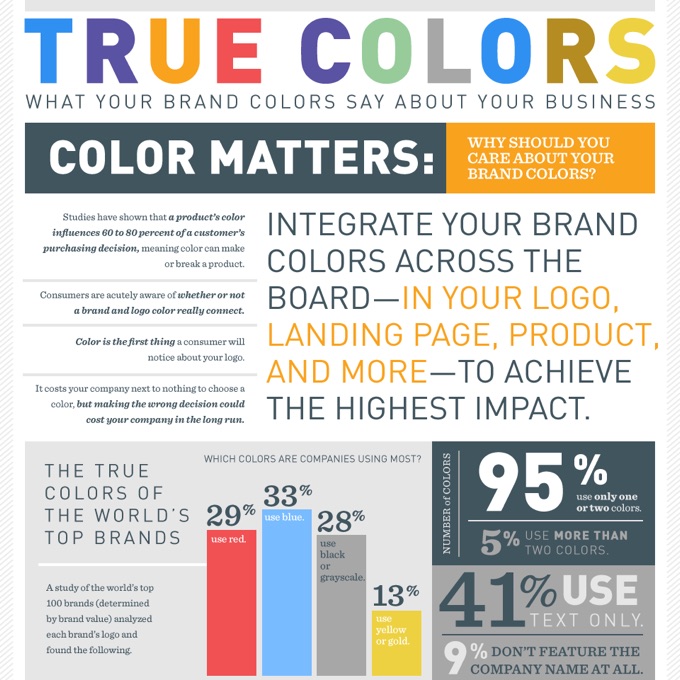
Bright, saturated hues like orange and magenta convey youthful energy and boldness, which is great for trendy startups targeting millennials and Gen Z shoppers. Darker shades like burgundy and forest green imply heritage and tradition, perfect for classical, established brands. Neutral tones like beige and gray suggest balance and subtlety for financial and medical industries. Consider the psychology behind your brand colors and what they say about your business. The mere color you choose can tell your audience a great deal about your company in an instant.
Colors strongly influence marketing results by driving consumers’ decisions and behavior. An infographic by WebpageFX illuminates how to utilize colors strategically:
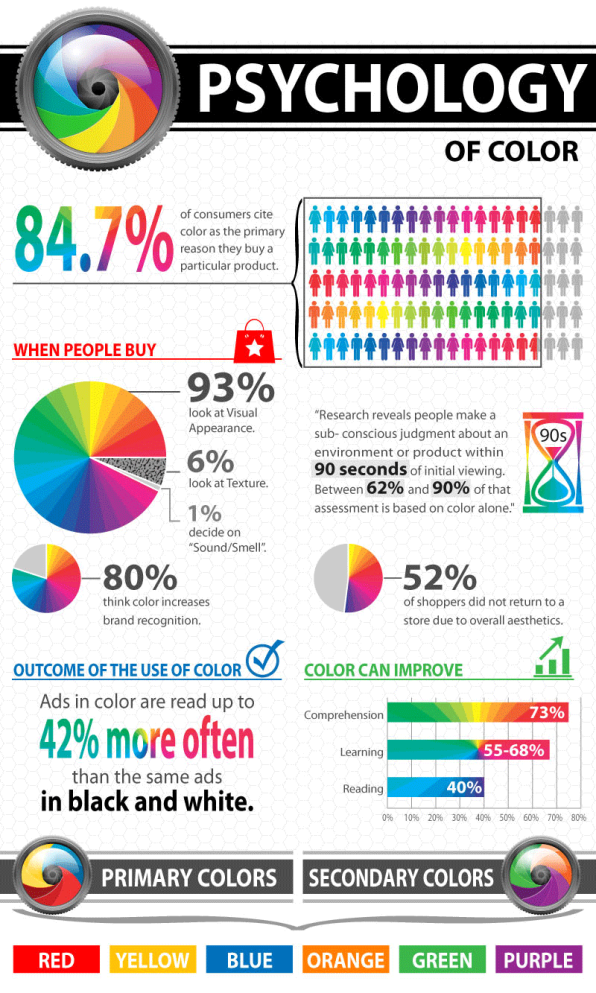
Warm red tones can increase impulse purchases and grab attention, especially for call-to-action buttons and “buy now” options. Cool blues instill trust and conservatism, which is ideal for large purchases like insurance plans. Black signals luxury and exclusivity, useful for highlighting premium products or services. Every hue elicits a different psychological reaction. Use colors intentionally to convey specific qualities.
Colors aren’t just visual elements; they are psychologically rich cues that communicate powerful messages about brands on a subliminal level. Just look at the products you own, services you enjoy, and companies you support. The colors they used were chosen for specific reasons.
By tapping into the science of colors, as shown in various infographics on psychology, you can strategically build branding and marketing that resonates at an emotional, instinctual level with your audience. With skillful use of color, you can shape deeply ingrained perceptions of your brand identity and establish enduring connections with customers.